
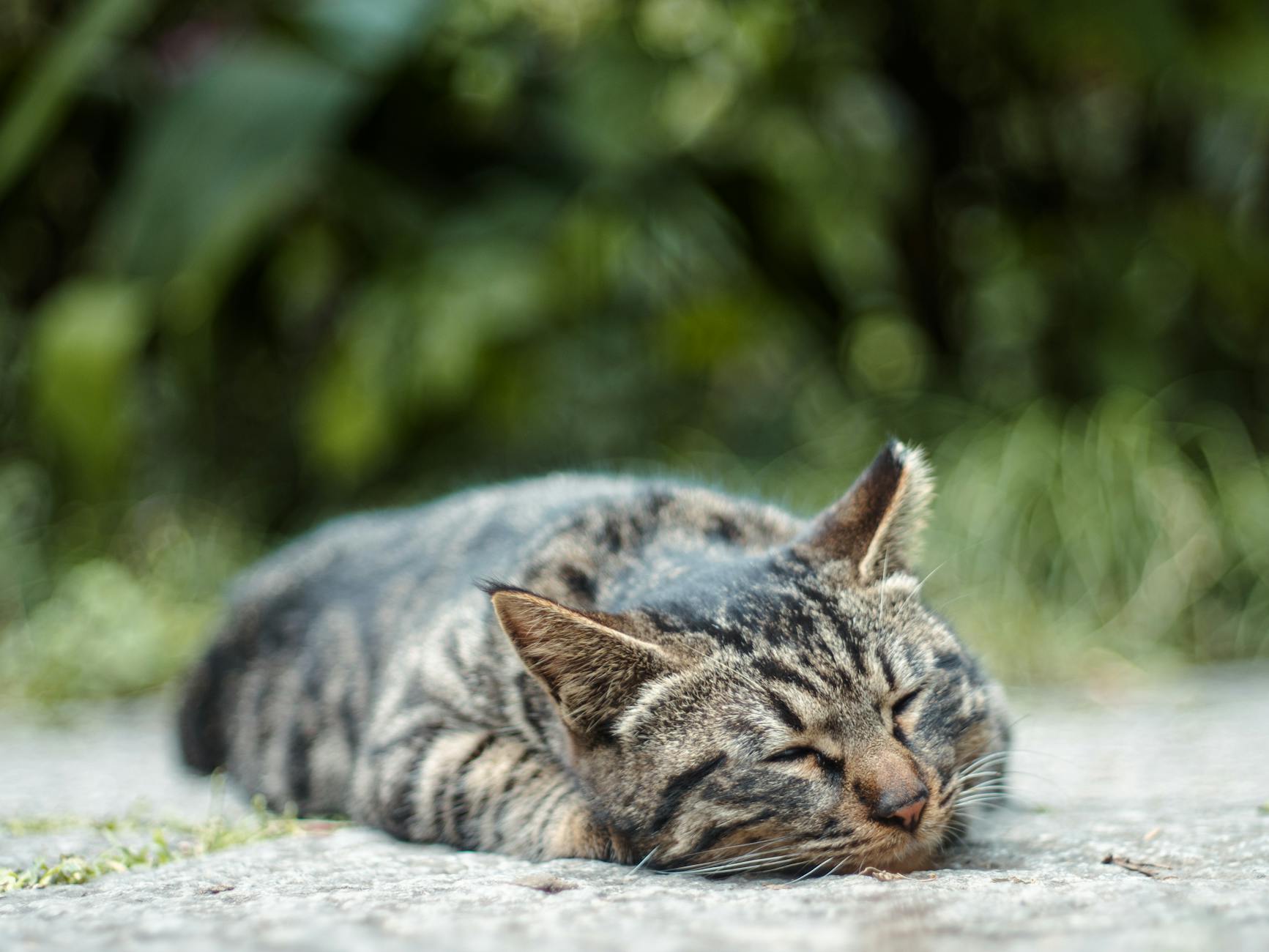
Has your cat been sneezing a lot or showing signs of the sniffles?
They might be suffering from cat flu, one of the most common cat illnesses. While it may seem like a simple cold, cat flu can significantly impact your cat’s health.
No one likes to see their pet in distress, so you’re likely wondering, “How can I help my cat recover from cat flu?”
Like human flu, it’s challenging to treat directly, but cat flu supportive care methods can make your kitty more comfortable and alleviate the symptoms.
As an experienced kitten fosterer, I’ve dealt with cat flu more times than I can count.
Whether your cat’s case is mild or severe, the cat flu protocol I share in this article will help your kitty feel better in no time!
Article content:
(Click any link to jump directly to the section)
How Is Cat Flu Transmitted?
Cat flu is incredibly contagious among cats. It spreads via saliva and discharge from the nose or eyes.
So, every time a kitty with cat flu sneezes, the virus spreads in the environment.
Similarly, if a cat with cat flu grooms a healthy cat, they pass the virus on.
This is why if you have multiple cats and one catches cat flu, there is a high risk that your others will catch it—unless you isolate the sick cat in one room.
It’s also important to note that even if your cat is vaccinated, they can still get cat flu.
The combined vaccine protects against the two viruses that cause cat flu. However, studies show that its efficacy is less than 65%.
Cat Flu Symptoms

Cat flu is an upper respiratory infection similar to human flu.
Common cat flu symptoms include :
- Nasal congestion (runny nose, frequent sniffing, and difficulty breathing)
- Coughing
- Sneezing
- Eye infection or discharge
- Mouth ulcers
- Loss of voice
- Fever
- Lethargy
How Is Cat Flu Treated?
Cat flu is caused by one of two viruses: Feline Calicivirus (FCV) and Feline Herpes (FHV).
Like the human flu, there is no medicine that can directly treat and cure the virus; it simply has to run its course.
But that doesn’t mean there’s nothing you can do to help your kitty.
If you suspect your cat has cat flu, take them to your local veterinarian, who may prescribe the following medications
Antibiotics

Although antibiotics do not kill viral infections like cat flu, vets often prescribe them.
Why?
When cats are sick with cat flu, their immune systems are weak, making them susceptible to secondary bacterial infections.
So, giving them antibiotics can help protect them from getting even sicker.
Decongestants
If your cat is sniffing lots or has difficulty breathing, they likely have a lot of nasal congestion.
Decongestants can help ease these symptoms by unblocking the nose and opening the airways.
Again, decongestants don’t directly treat the virus that causes cat flu. But they reduce some of the most common symptoms, helping your kitty feel more comfortable.
Eye ointment

While Herpesvirus and Calicivirus largely present the same symptoms, there is one difference…
Herpesvirus often causes an eye infection along with the general cat flu symptoms.
If your cat has a herpesvirus infection, you might notice eye discharge, irritation or swelling, or redness in one or both eyes.
If so, the vet will prescribe eye ointment or drops like Terramycin.
Usually, you will have to apply the ointment 2 to 4 times a day, depending on the severity of the infection.
Nebulization
In severe cases of cat flu, your kitty might be so congested that they have difficulty breathing.
Nebulization can be an effective cat flu supportive care treatment for these cases.
Many vets have a nebulizer machine that turns liquid medicine into a mist your kitty can easily inhale. This steam inhalation helps to clear the nasal passageways and facilitate breathing.
The nebulization treatment typically contains one or more bronchodilators, medications that relax the muscles in the lungs and widen the airways to ease breathing.
Cat Flu Supportive Care Tips
Along with getting medicine from the vet, you can treat cat flu at home in various ways. Here’s what I suggest:
Give Them Lysine Supplements

Lysine is crucial when it comes to cat flu supportive care.
Cat lysine is an essential amino acid that boosts immune function and may help to lessen upper respiratory symptoms.
You can find lysine in many forms, including flavored gels like Felisyl (tastes like salmon!) or chewable treats such as this one from VetriScience (chicken flavor).
However, I find the tablet forms you get from a veterinarian more effective. These cat supplements are super easy to administer, as you can sprinkle them directly onto your kitty’s food.
Buy A Handheld Nebulizer

Did you know you can give your cat nebulization treatments at home using sterile saline?
There are tons of handheld nebulizers on Amazon, for around $30-$50, such as this one.
Here’s how to set it up and use it:
- Put your cat in a cat carrier and place a towel over the top (this will ensure the steam does not escape through the carrier’s holes).
- Add 4-5 ml of sterile saline (sodium chloride 0.9) to the nebulizer.
- Unzip the carrier slightly to slide the nebulizer mouthpiece inside.
- Turn the nebulizer on for 10-15 minutes or until the liquid has run out.

Let Them Rest
Lastly, don’t underestimate the power of rest when it comes to cat flu supportive care.
Cat flu can take a lot out of our kitties, so you will probably notice they sleep more than usual.
You can support their recovery by offering them cozy sleeping spots and refraining from intense play sessions until they feel better.
If your cat also normally goes outside, I recommend keeping them indoors (at least at night) until they feel better.
Continuously monitor their symptoms and wipe their nose and eyes whenever you notice discharge. And, of course, giving them lots of cuddles and treats will help them feel loved and cared for!
Cat Flu Recovery Time
So, how long does it take for a cat to recover from cat flu?
It depends on a few things, such as:
- How severe their symptoms are
- If they are vaccinated
- Their age
- If they have exciting health conditions like Feline Leukemia
Following the guidelines above, healthy adult cats should start feeling better within a few days and fully recover within 5 to 10 days.
Young kittens and elderly cats, on the other hand, may need longer to recover (several weeks or more) as their immune systems are weaker.
Can Cat Flu Kill Cats?
You may assume cat flu is just a simple cold, but it can be extremely dangerous for some cats, sometimes even fatal.
Young kittens are most at risk as they are still building their immunity. Without medical and supportive care, their little bodies struggle to fight off the virus, which can lead to secondary infections and become life-threatening.
Other at-risk cats are elderly felines and those with chronic diseases that make them immuno-compromised.
Needless to say, cat flu supportive care is vital for these kitties!
Final Thoughts On Cat Flu Supportive Care
The guidelines above are my go-to protocol for managing cat flu. Thanks to this supportive care, I’ve helped dozens of cats, including very young kittens, recover.
However, if you suspect your kitty has cat flu, the first thing you should do is take them to the vet for a diagnosis.
Then, by combining the vet’s prescribed medication with the supportive treatments in this article, you can help ensure your furry friend’s swift recovery!
Leave a Reply