
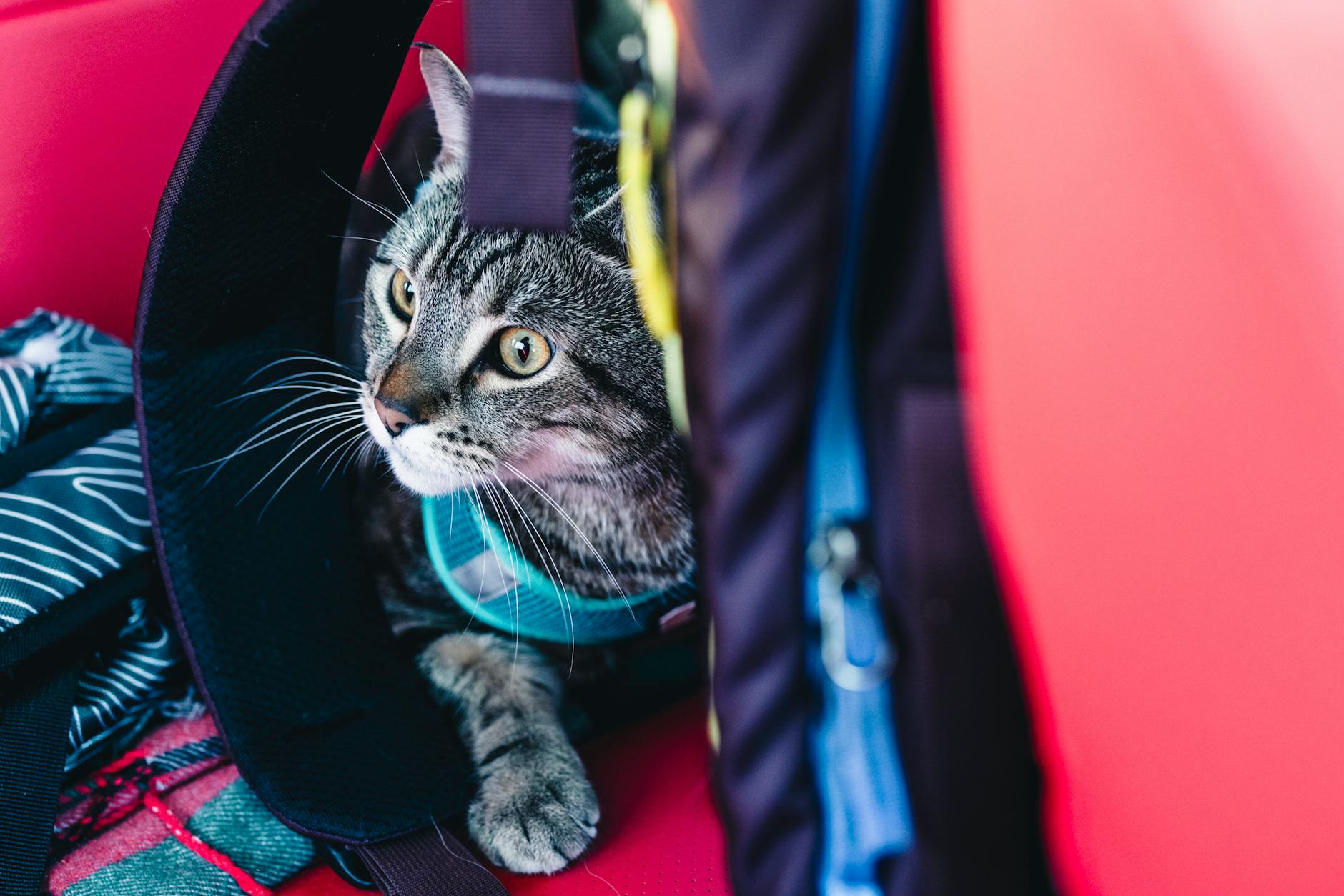
Moving overseas is stressful enough, but when you have a cat, the worry multiplies.
You’ve probably heard rumors that it’s cruel to fly with a cat or that the experience will traumatize your furry friend. So, it’s natural to wonder: Is it better to leave them behind?
The truth is, flying with a cat can be stressful, but leaving them behind is far worse. If you’re moving internationally, bringing your cat is often the kindest and safest option.
This article will explore why that’s the case, covering the risks of flying and the realities of leaving your cat behind.
I’ll also share tips on how to make the journey less stressful for your fur baby and, consequently, you!
Article content:
(Click any link to jump directly to the section)
Is Flying Stressful For Cats?
As a cat parent, you know that cats thrive on routine. They love familiar surroundings, day-to-day habits, and freedom.
So putting them in a crate, taking them to an airport, and boarding them on a plane is bound to throw them off.
Many cats get highly anxious in unfamiliar environments. The noise, smells, people, and motion of flying can startle them.
Plus, remember that cats tend to pick up on our emotions. So, if you’re nervous about flying with them, they’ll likely feel that tension, which will, in turn, increase their stress.
But before you start to panic about traumatizing your cat, it’s essential to put things into perspective.
While flying isn’t exactly their idea of a good time, it’s a temporary experience that, with the right preparation, CAN be managed.
And in the grand scheme of things, handling a flight or two is less stressful than a life on the streets fending for themselves!
The Risks of Flying with a Cat

It’s important to point out that along with the stress, there are potential risks when flying with cats.
Here are some things to keep in mind:
- Air Pressure Changes – Like humans, cats can experience discomfort from the air pressure change during takeoff and landing. Their ears may pop, which can be confusing and uncomfortable for them.
- Temperature Fluctuations – This is primarily a concern if your cat travels in the cargo hold. While most airlines claim to regulate temperature for animals, it’s not always consistent.
- Dehydration – Some cats refuse to eat or drink when stressed, which could lead to dehydration.
- Urinary problems – It’s common for cats to hold their pee when anxious. This can cause urinary problems such as UTIs and bladder infections.
Is Your Cat Fit to Fly?
Some cats will cope better with flying than other cats. If your kitty is young, healthy, and confident, they will likely have no problem bouncing back from the trauma of flying.
However, if your cat is elderly, has ongoing health issues, or is prone to anxiety, they may not be fit enough to fly – at least not in the hold.
For these cats, I suggest flying with them in the cabin rather than the hold. Your presence throughout the flight will significantly help to keep them calm.
What Happens If You Leave Your Cat Behind When You Move?

Now that we’ve covered the challenges of flying with a cat, let’s talk about the alternative: leaving them behind.
For many people moving abroad, leaving their cat behind might seem like the easier option, but it’s far from it.
The only acceptable reason to leave your pet behind is if you have family or friends willing to adopt your kitty. However, you should only consider this if your cat already has a relationship with them AND you trust them to do right by your fur baby.
Cats form strong emotional bonds with their owners, so abandoning your cat can cause severe anxiety and depression for them (and potentially you!)
Abandonment issues in cats are real. Many abandoned pets suffer from emotional trauma, leading to behavioral issues or even health problems.
Moreover, leaving your cat on the street to fend for itself exposes them to dangers and lack of food and water.
In comparison, putting your cat through the temporary stress of flying is much less cruel than leaving your pet behind in an uncertain situation.
How To Fly With A Cat Internationally

If you’re planning to move overseas with your pet, the best thing you can do is prepare well in advance.
The first step is to research the required pet documents for your destination. Every country has different regulations when it comes to bringing pets across borders.
If you’re traveling from Thailand to the EU or the UK with your pet, I’ve created a step-by-step PDF guide on what to do.
Along with a walkthrough of the procedures, I share estimated costs and the best pet-friendly airlines. You can download it via the form below:
Best Practices For Safe & Stress-Free Pet Travel
Here are some practical tips on how to fly with a cat in the most stress-free way possible:
- Bring them in the cabin – If possible, bring your cat with you in the cabin. Flying in the cargo hold is significantly more stressful for cats. It’s noisy and cold, and they won’t have the comfort of being near you.
- Acclimate them to their travel carrier – Get your cat used to their cat carrier well before the flight. Leave it out for them to explore, and give them treats or toys when they go inside so they associate it with positive experiences.
- Book a direct flight – Opt for a non-stop flight rather than multiple flights if possible. This will reduce the overall travel time and, thus, the amount of time your cat is in the crate.
- Consider Calming Aids – Speak with your vet about anxiety medication or calming supplements. These calming aids can help keep your cat’s stress levels under control. However, all cats react differently to these products, so trying them out BEFORE traveling is crucial.
Final Thoughts: Is It Cruel To Fly With A Cat?
Flying with a cat isn’t easy, but it’s far from cruel if you take the necessary steps to make the journey as smooth as possible.
Yes, your cat may experience some anxiety during the flight. But with proper preparation, you can minimize their stress.
When moving abroad, your cat is better off coming with you than being left behind on the streets. A few hours of stress on a plane is a small price for a lifetime of safety and love.
So, if you’re wondering whether it’s cruel to fly with a cat, rest assured that with the right care, it’s far kinder than the alternative!
Leave a Reply