
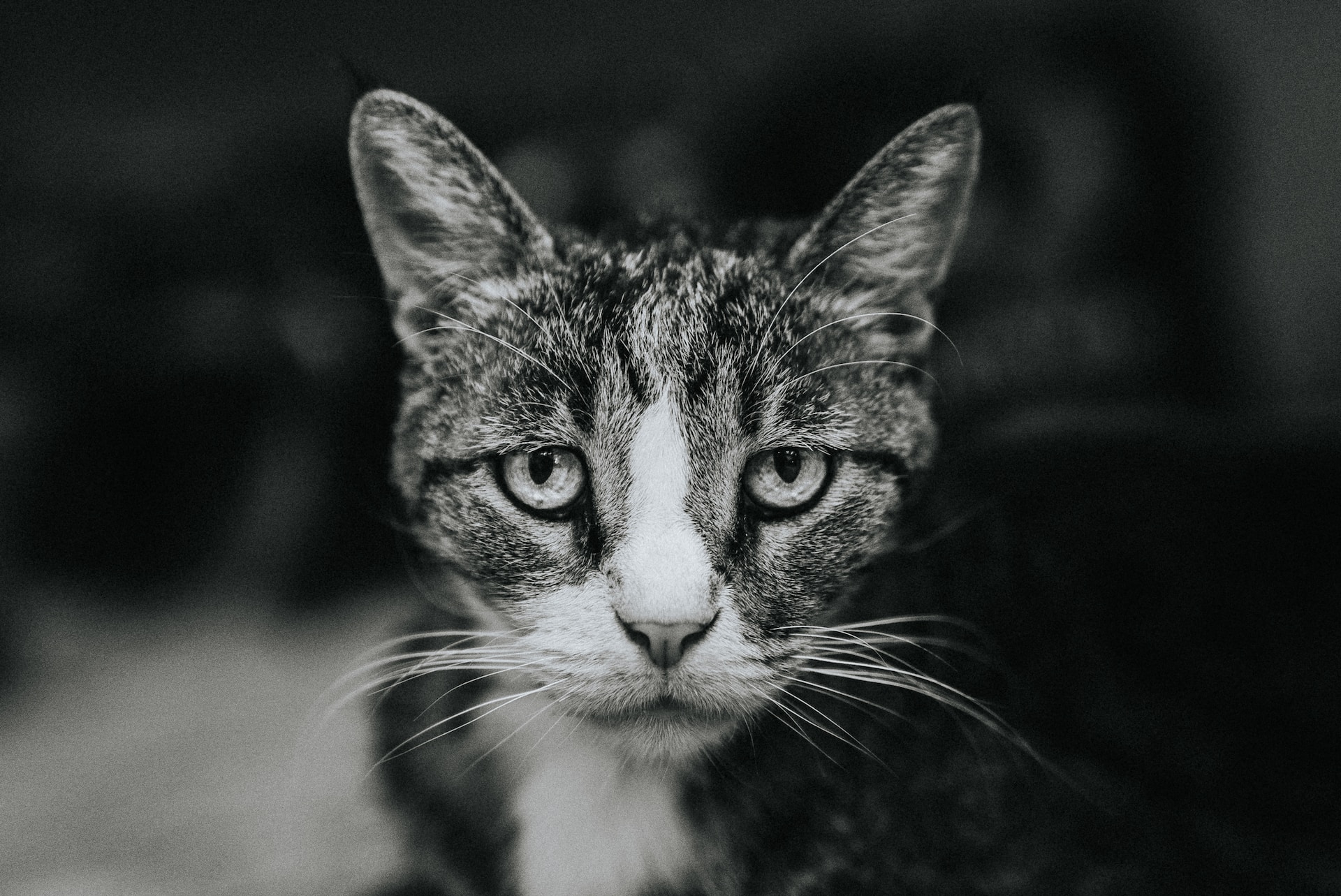
When my cat Toastie passed away last year, I felt like I had been hit by a truck.
As a cat rescuer, I’ve had several cats and kittens die in front of my eyes, but I had never experienced pet loss like this.
Although I knew my love for him was deep and unconditional, I wasn’t prepared for the rollercoaster of emotions that was about to follow.
If you’re reading this article, chances are you’ve recently lost a furry friend too, and are searching for ways to deal with pet loss.
While I’m no expert in mastering pet grief, there are several coping strategies that helped me get through the past few months without spiraling into the depths of depression.
Article content:
(Click any link to jump directly to the section)
5 Healthy Ways To Deal With Pet Loss
Here are the coping strategies I’ve been using over the last few months to deal with pet loss…
1. Give Yourself Permission To Grieve

Permitting yourself to grieve means accepting your feelings and practicing self-compassion.
In the early stages of pet grief, many people try to keep busy as a way to take their minds off the pain. But when dealing with any type of loss, distraction is the worst thing we can do.
We turn to distractions like work, social media, alcohol, or whatever else because we don’t know how to deal with our emotions or because everything feels ‘too much.’
But distracting ourselves doesn’t make our emotions disappear; it just suppresses them temporarily.
Avoid Suppressing Or Repressing Your Feelings
“You were my favorite hello and my hardest goodbye”
When we choose to distract ourselves rather than deal with our feelings, we push our unresolved emotions deeper down inside.
So, although distracting ourselves may relieve some of the pain initially, the emotions get suppressed. We know the pain is there, but we choose to avoid them rather than sit with them and face the pain head-on.
What’s more, because pet loss is a type of disenfranchised grief (one that society does not validate), you might feel that you have to get on with things as usual.
Perhaps your boss doesn’t recognize pet loss as an acceptable reason to take time off work. Or your friends and family don’t offer you the support you need because they don’t understand the depth of pain that comes with losing a pet.
When no one around us validates our grief or offers support, we might repress our emotions.
Unlike suppression, emotional repression is when we deny our grief or tell ourselves that we shouldn’t feel the way we do. As a result, we bottle up our feelings, hiding them from everyone and ourselves.
The problem with suppressing or repressing our emotions is that they don’t really go away.
They stay stored deep within our psyche, ready to resurface later. So, if we choose not to deal with our grief now, we will be forced to deal with it in the future.
Therefore, to properly deal with pet loss, the first step is to accept your emotions and permit yourself to feel them.
So stop rushing around, put your phone down, and dedicate time each day to sitting in silence and allowing the pain to come up in whatever way it needs to. This is how you heal.
2. Practice Self-Care

Whenever I’m facing any challenging situations, I turn to self-care practices. So, once I started to process my feelings around Toastie’s death, I dedicated extra time to looking after myself.
As a yogi, I found increasing my yoga, meditation, and breathwork practice extremely helpful.
I pushed myself to meditate every morning, following guided mediations from my favorite instructor, Sarah Blondin. Sarah’s meditations helped me reconnect with my heart and give myself the care and compassion I needed.
I also started attending regular yoga classes at my favorite studio here in Phuket. The studio sits at the top of a hill surrounded by nature, so the combination of yoga, sound healing, and nature felt incredibly soothing for my broken heart.
Even if yoga or meditation is not your cup of tea, I recommend doing any activity that feels therapeutic to you.
Here are a few ideas that may help you deal with pet loss:
- Coloring – Many adult coloring books are available, from animals to flowers to mandalas. I created a Rescue Cat Coloring Book, that honors the lives of real rescue cats with heartwarming stories to accompany each illustration.
- Drawing – Whether it’s your pet, something that illustrates your grief, or something entirely different.
- Journaling – Jotting down your thoughts and emotions can help you better understand how you’re feeling.
- Playing a musical instrument
- Walking or hiking in nature
- Baking or cooking
3. Talk It Out

I’m a hyper-independent introvert who has a deep internal world. So whenever I’m dealing with hard things, I tend to go inwards to self-soothe rather than seek external support.
However, when I finally pushed myself to talk about my feelings (and found people who understood what I was going through), I was surprised at how helpful it was.
Talking it out with a few people allowed me to better understand how I felt and process the event.
However, as most of society doesn’t recognize or understand pet grief, it’s easy to feel disheartened and put off.
Many people you will talk to, even other pet owners, won’t be able to relate to and understand you. Thus, they won’t offer the support you need.
So reach out to people who feel the same way as you about cats/dogs. I’m talking about the people who see their pet as a child or best friend rather than an animal they own.
If there is no one in your life you can talk to, seek support online. I found there are many Facebook communities of grieving pet parents, including these:
- Tears In Heaven – Grief Support Group
- The Rainbow Bridge Pet Loss and Grief Support
- PVC: Coping With The Loss Of A Pet Support Group
4. Memorialize Your Pet

Another thing I found helpful in processing and accepting Toastie’s death was finding a way to celebrate his memory.
While there are many ways you can do this, a popular choice is to hold a memorial service (you can do this even if you’ve already cremated or buried them).
We buried Toastie in our garden and brought a pet memorial stone to place over his grave. I added some flowers and incense, and my partner and I held a memorial service for him there.
There are also many personalized pet memorial stones if you want something more personal.
If you’ve cremated your pet, you can find various pet cremation jewelry pieces, such as small pet urn necklaces. This type of jewelry offers a lovely way to always carry around a piece of your fur baby.
Here are some other ways you can memorialize your pet:
- Create a memorial altar with their photo, a candle, their favorite toy, and any items that remind you of them
- Place a framed photo of your pet in your home (on the wall, next to your bed, etc)
- Make a photo album (not on your iPhone!)
- Plant a plant/tree with a memorial placard
- Create and share a memorial video of your pet
- Write your pet a letter or poem
- Draw or paint your pet’s portrait
- Create a memory box full of their favorite things
5. Find Purpose In The Pain

Once you’ve started to process and accept your pet’s death, you might begin to see lessons or meanings in it.
I firmly believe that everyone (human and animal) comes into our lives for a reason. So reflect on your time together, and see if you can uncover anything they may have taught you.
Doing this helped me shift my focus away from how tragic Toastie’s death was to the unique mark he left on my heart and soul.
It also helped me find a sense of meaning in his death, allowing me to turn my pain into purpose.
One way I did so was by creating this blog. Although I had been rescuing cats and writing for other blogs for many years, I never had the idea to create my own cat blog.
But once I started seeking meaning in Toastie’s death, I got a strong stroke of inspiration to do so. And from then on, I could not get the idea out of my mind.
The inspiration was so intense that I cannot think of any other explanation for it than Toastie guiding me from the other side.
Helping Other Animals
“What we have once enjoyed deeply we can never lose. All that we love deeply becomes a part of us.”
Helen Keller, Author
Many people find purpose in their pain by helping other animals. This could be by:
- Volunteering at a local shelter
- Fostering kittens or puppies
- Feeding stray cats or dogs.
Being of service to other animals can help to fill the hole in your heart. It’s a great source of comfort without feeling like you are replacing your beloved pet.
However, when you are ready to open your heart to another animal, adopting a rescue cat or dog can feel extremely meaningful.
When Does Pet Grief Get Better?

Pet grief, like other forms of grief, cannot be forced or fast-tracked. Grieving is a natural process that requires a lot of patience and self-compassion.
Moreover, the grieving process is unique and different for everyone, so there is no ‘normal’ amount of time you should grieve.
A small study conducted in 2019 looked at the grieving experiences of 82 people who had lost a pet. The results of the survey confirmed that pet grief is different for everyone.
- 25% of participants said they grieved their pet for three months to a year.
- 50% said it took between one year and 19 months.
- 25% said it took between two and six years to overcome the grief.
So, while the strategies detailed above offer healthy ways to deal with pet loss, they cannot make you completely overcome your grief.
I also want to point out that pet grief is not linear. You might feel like things are getting better, but a week later, you feel as though you’re back to square one.
My personal experience has been very up and down. I’ve also noticed certain things trigger my grief, such as being alone, holidays like Christmas, and the general state of my mental health.
FAQ’s On How To Deal With Pet Loss
What Is Pet Loss Syndrome?
Pet loss syndrome is a term used to describe the emotional and physical feelings that arise after losing a pet. However, the truth is that pet grief is no different from grieving a human loved one.
We can feel grief emotionally through anxiety, depression, guilt, etc. We can also feel grief physically, such as a lack of appetite, insomnia, a hollow feeling in the stomach, and tightness in the chest,
What’s more, grief can lower our immune response and make us more susceptible to illness.
Grieving a pet can even cause something called broken-hearted syndrome. This is when an emotional event causes an intense surge of stress hormones, leading to chest pain and shortness of breath.
Can Pet Loss Cause Depression?
Like other forms of grief, pet loss can have a detrimental effect on our mental health, leading to depression or intense sadness. While this is normal, depression from pet loss should not last for several years. Learning healthy ways to deal with pet loss can help to move through this depression and sadness.
Can Pet Loss Cause PTSD?
Seeing your pet die is highly traumatic. Some pet owners who witnessed their pet’s death develop symptoms of PTSD, especially if they died in a very tragic way, such as getting hit by a car or being attacked by another animal.
Why Is Pet Grief So Hard?
The effect losing a pet has on us is hugely underestimated. Many pet parents see their pets as their children or best friends, so losing them can be as painful as losing a human family member.
What makes pet grief even harder is that society does not see it as a valid type of grief. I talk more about this in my article on Why Is Pet Loss So Painful?
Leave a Reply